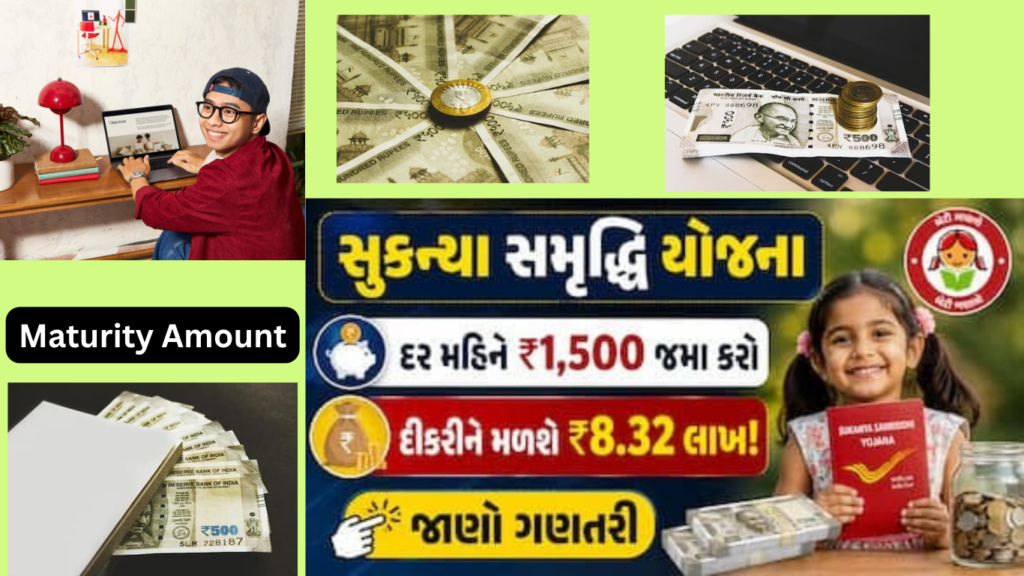
Sukanya Samriddhi Yojana: Invest just ₹1,500 regularly and build a substantial maturity corpus for your daughter. Know the 15-year deposit rule, 6-year interest benefit, compound interest and maturity calculation.
15 વર્ષના નિયમિત રોકાણ પછી વધારાના 6 વર્ષ સુધી વ્યાજનો ઉત્તમ લાભ ચક્રવૃદ્ધિ વ્યાજની અસરે નાની બચત બનશે મોટો આધાર.
પોતાની વહાલી દીકરીના ભવિષ્યને આર્થિક રીતે સુરક્ષિત કરવા માટે કેન્દ્ર સરકાર સંચાલિત સુકન્યા સમૃદ્ધિ યોજના (SSY) હાલના સમયમાં માતાપિતા માટે સૌથી લોકપ્રિય અને ભરોસાપાત્ર માધ્યમ બની રહી છે. જો તમે શરૂઆતથી જ નાની રકમનું સાતત્યપૂર્ણ આયોજન કરો, તો દીકરીના ઉચ્ચ શિક્ષણ તેમજ લગ્ન જેવા મહત્વના પ્રસંગો માટે લાંબાગાળે એક નોંધપાત્ર ભંડોળ આસાનીથી એકત્ર થઈ શકે છે. જો કોઈ પરિવાર દર મહિને સામાન્ય ગણાતી ₹1,500 જેવી રકમનું નિયમિત રોકાણ આ યોજનામાં કરે, તો પાકતી મુદતે તેમાંથી લાખો રૂપિયાનું મોટું ભંડોળ તૈયાર થઈ શકે છે.
સુકન્યા સમૃદ્ધિ યોજનાના નિયમ અનુસાર ખાતાધારકે માત્ર 15 વર્ષ સુધી જ નાણાં જમા કરાવવાના હોય છે, જ્યારે ખાતાની કુલ પાકતી મુદત 21 વર્ષની રહે છે. દર મહિને ₹1,500 નું રોકાણ કરવાનો અર્થ એ થાય કે વાર્ષિક ધોરણે ₹18,000 (₹1,500 × 12) જમા થાય છે. આ રીતે સતત 15 વર્ષ સુધી રોકાણ ચાલુ રાખવામાં આવે તો વાલીના ખિસ્સામાંથી 15 વર્ષમાં કુલ ₹2,70,000 (₹18,000 × 15) એટલે કે ₹2.70 લાખની મૂળ રકમ જમા થાય છે.
સપ્ટેમ્બરની આ 6 તારીખ નોટ કરે કર્મચારી-પેન્શનર્સ, પગાર-પેન્શન પર મળશે ગુડ ન્યૂઝ
આ સ્કીમની સૌથી મોટી વિશેષતા એ છે કે 15 વર્ષ પૂર્ણ થયા બાદ આગામી 6 વર્ષ સુધી વાલીએ એક પણ રૂપિયો ભરવાનો રહેતો નથી. તેમ છતાં, ખાતામાં જમા થયેલી સમગ્ર રકમ પર સરકાર દ્વારા નિર્ધારિત ચક્રવૃદ્ધિ વ્યાજ સતત જમા થતું રહે છે. જો હાલના વાર્ષિક 8.2% ના વ્યાજદરને આધાર ગણીએ, તો 21 વર્ષની પાકતી મુદતે કુલ ₹8.32 લાખ જેટલી માતબર રકમ પ્રાપ્ત થઈ શકે છે. જેમાં ₹2.70 લાખનું મૂળ રોકાણ અને અંદાજે ₹5.62 લાખ જેટલું માત્ર વ્યાજ એકઠું થાય છે, એટલે કે રોકાણ કરતાં વ્યાજની આવક બમણાથી પણ વધુ થઈ જાય છે.
ચક્રવૃદ્ધિ વ્યાજના પ્રભાવથી રોકાણ સમય સાથે ઝડપથી વધે છે, જેમાં 5 વર્ષના અંતે ભંડોળ ₹1.11 લાખ, 10 વર્ષના અંતે ₹2.75 લાખ અને 15 વર્ષના અંતે ₹5.18 લાખ સુધી પહોંચી જાય છે. ત્યારપછીના રોકાણ વિનાના સમયગાળામાં રકમ ઝડપથી વધતાં 16 વર્ષે ₹5.61 લાખ, 17 વર્ષે ₹6.07 લાખ અને 18 વર્ષના અંતે ₹6.57 લાખ થાય છે. આ વૃદ્ધિ આગળ વધતાં 19 વર્ષે ₹7.11 લાખ, 20 વર્ષે ₹7.69 લાખ અને આખરે 21 વર્ષની પરિપક્વતા પર કુલ રકમ ₹8.32 લાખ સુધી પહોંચવાનો અંદાજ રહે છે.
આ યોજનાનો મહત્તમ આર્થિક લાભ લેવા માટે મહિનાની 1 થી 5 તારીખ વચ્ચે હપ્તો જમા કરાવી દેવો અત્યંત ફાયદાકારક સાબિત થાય છે. યોજનાના સત્તાવાર નિયમ મુજબ ખાતામાં વ્યાજની ગણતરી દર મહિનાની 5 તારીખથી લઈને મહિનાના અંતિમ દિવસ સુધીના લઘુતમ બેલેન્સ પર કરવામાં આવે છે. તેથી જો તમે 5 તારીખ પછી રકમ જમા કરાવો છો, તો તે મહિનાનું વ્યાજ ગુમાવવાનો વારો આવી શકે છે.
સુકન્યા સમૃદ્ધિ ખાતું 10 વર્ષથી ઓછી વય ધરાવતી કોઈપણ દીકરીના નામે તેના માતાપિતા કે કાયદેસરના વાલી દ્વારા કોઈપણ અધિકૃત પોસ્ટ ઓફિસ અથવા સરકારી બેંકમાં સરળતાથી ખોલાવી શકાય છે. એક દીકરીના નામે માત્ર 1 ખાતું ખોલી શકાય છે અને નિયમ મુજબ એક પરિવારમાં મહત્તમ 2 દીકરીઓ માટે આ લાભ ઉપલબ્ધ બને છે.
સુકન્યા સમૃદ્ધિ ખાતું 10 વર્ષથી ઓછી વય ધરાવતી કોઈપણ દીકરીના નામે તેના માતાપિતા કે કાયદેસરના વાલી દ્વારા કોઈપણ અધિકૃત પોસ્ટ ઓફિસ અથવા સરકારી બેંકમાં સરળતાથી ખોલાવી શકાય છે. એક દીકરીના નામે માત્ર 1 ખાતું ખોલી શકાય છે અને નિયમ મુજબ એક પરિવારમાં મહત્તમ 2 દીકરીઓ માટે આ લાભ ઉપલબ્ધ બને છે.
ખાતાને સક્રિય રાખવા માટે કોઈપણ એક નાણાકીય વર્ષ દરમિયાન ન્યૂનતમ ₹250 અને મહત્તમ ₹1.5 લાખ સુધીની થાપણ જમા કરાવી શકાય છે. કેન્દ્ર સરકાર દ્વારા દર 3 મહિને વ્યાજદરોની સમીક્ષા કરવામાં આવતી હોવાથી ભવિષ્યના દર મુજબ આખરી રકમમાં આંશિક ફેરફાર શક્ય છે, છતાં સરકારી ગેરંટી અને કરમુક્તિના લાભો સાથે દીકરીના સુરક્ષિત ભવિષ્ય માટે આ યોજના શ્રેષ્ઠ રોકાણ વિકલ્પ સાબિત થાય છે.
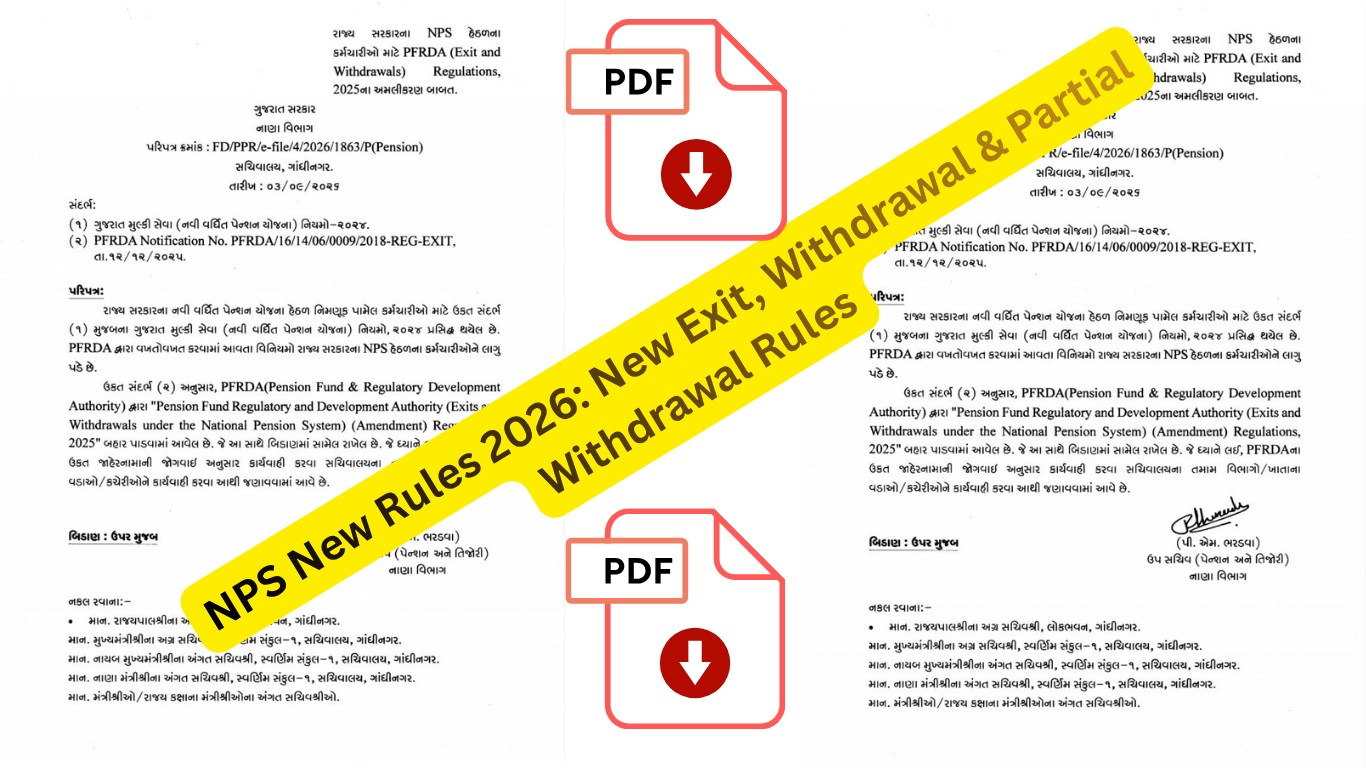
NPS New Rules 2026 explained: Check new exit, withdrawal, annuity, partial withdrawal, ₹8 lakh and ₹12 lakh limits, deferment up to 85 years and key NPS changes.
સપ્ટેમ્બરની આ 6 તારીખ નોટ કરે કર્મચારી-પેન્શનર્સ, પગાર-પેન્શન પર મળશે ગુડ ન્યૂઝ
Introduction
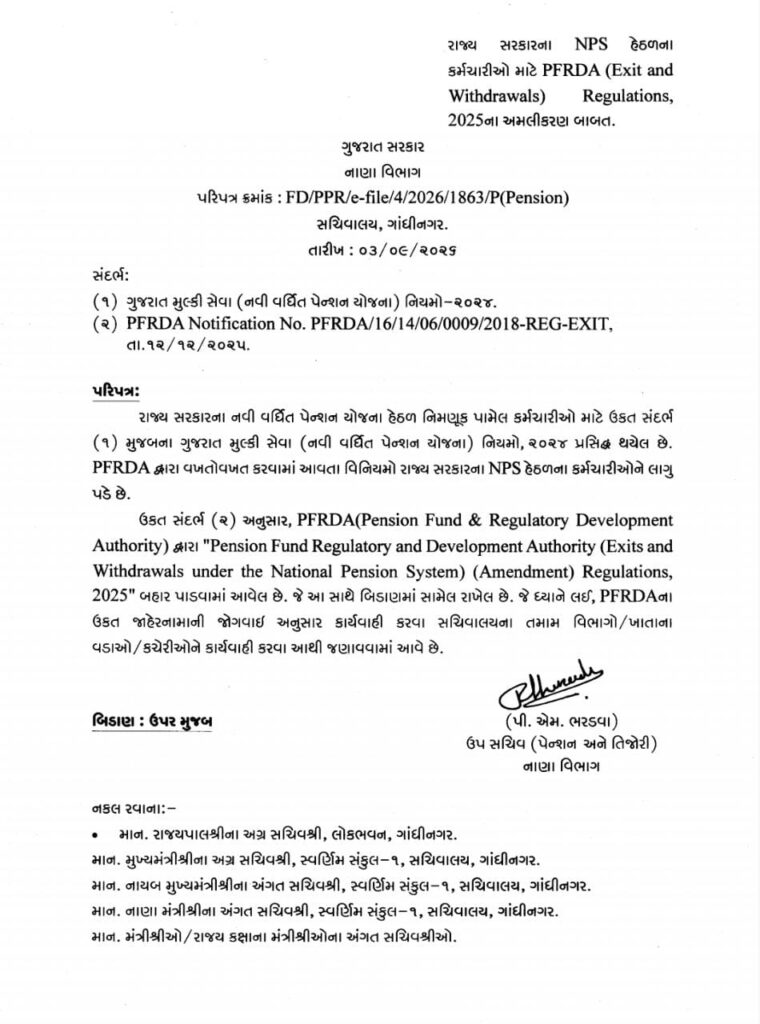
The National Pension System (NPS) has introduced important changes relating to exit, withdrawal, annuity purchase and partial withdrawal. The latest changes are based on the Pension Fund Regulatory and Development Authority (Exits and Withdrawals under the National Pension System) (Amendment) Regulations, 2025, issued by PFRDA.
The amended regulations introduce separate provisions for Government Sector subscribers, Non-Government Sector subscribers and NPS-Lite/Swavalamban subscribers. The rules also provide greater flexibility regarding deferment of annuity purchase and lump-sum withdrawal.
NPS Exit Rules for Government Sector Subscribers
Under the amended provisions, a Government Sector NPS subscriber reaching the applicable retirement or superannuation age can continue in NPS up to the age of 85 years until an exit option is exercised.
At the time of exit, at least 40% of the accumulated pension wealth is generally required to be used for purchasing an annuity, while the remaining amount can be paid as a lump sum or through approved periodic payout options.
Special Rule for Accumulated Pension Wealth up to ₹8 Lakh
If the accumulated pension wealth does not exceed ₹8 lakh, the subscriber has the option to withdraw the entire accumulated pension wealth as a lump sum or through approved periodic payout options.
Where the accumulated pension wealth is more than ₹8 lakh but does not exceed ₹12 lakh, the subscriber can withdraw up to ₹6 lakh as a lump sum or use approved periodic payout options.
The remaining pension wealth can be used for periodic payouts for at least six years, annuity purchase or other options approved by the Authority.
NPS Withdrawal Can Be Deferred Up to 85 Years
One of the important changes is the provision for deferment.
A subscriber may defer the purchase of annuity or withdrawal of the lump-sum amount up to the age of 85 years, by submitting a request to the NPS Trust or an authorised intermediary/entity.
During the deferment period, the subscriber can exercise the exit option at any time.
NPS Rules for Non-Government Sector Subscribers
The amended regulations also provide separate exit provisions for Non-Government Sector subscribers.
A Non-Government Sector subscriber can remain within the NPS system up to the age of 85 years unless an exit option is exercised according to the prescribed conditions.
On retirement, superannuation, completion of the applicable subscription period or attainment of 60 years, at least 20% of accumulated pension wealth is generally required to be used for annuity purchase, while the balance can be received as a lump sum or through approved periodic payout options.
Up to ₹8 Lakh
If the accumulated pension wealth does not exceed ₹8 lakh, the subscriber can withdraw the entire amount as a lump sum or through approved periodic payout options.
More Than ₹8 Lakh and Up to ₹12 Lakh
If the accumulated pension wealth is more than ₹8 lakh but does not exceed ₹12 lakh, the subscriber can withdraw up to ₹6 lakh as a lump sum or through approved periodic payout options.
The remaining amount can be used for periodic payouts for at least six years, annuity purchase or other options approved by PFRDA.
Premature Exit from NPS
The rules also cover voluntary exit before becoming eligible for the normal exit provisions.
For a Non-Government Sector subscriber who voluntarily exits before becoming eligible under the normal retirement/exit provision, at least 80% of accumulated pension wealth is required to be utilised for purchasing an annuity, while the remaining amount can be paid as a lump sum or through approved periodic payout options.
The amended regulations also change provisions relating to partial withdrawal.
A subscriber can make partial withdrawals from the accumulated pension wealth, subject to the prescribed conditions and limits. The amended provision allows partial withdrawal of up to 25% of the subscriber’s own contribution.
For withdrawals before the applicable retirement/superannuation point, a maximum of four withdrawals is permitted, with a minimum gap of four years between successive withdrawals.
After attaining 60 years or after retirement/superannuation, where the subscriber continues in NPS, partial withdrawals can be made subject to a minimum gap of three years, with the withdrawal amount not exceeding 25% of the eligible contribution.
The amended provisions include important purposes for partial withdrawal, including:
Purchase or construction of a residential house or flat in the subscriber’s own name or jointly with a legally married spouse.
Medical treatment or hospitalisation of the subscriber, legally married spouse, children including legally adopted children, or parents.
Settlement of a financial liability taken from a regulated financial institution against a lien or charge on the individual pension account.
NPS Rules in Case of Death
The regulations also specify provisions for settlement of accumulated pension wealth after the death of a subscriber.
In applicable cases, the accumulated pension wealth can be paid to the nominee(s) or legal heir(s), subject to the relevant provisions of the regulations. The rules also provide specific provisions for situations where the subscriber dies before completing deferred annuity purchase or lump-sum withdrawal.
Missing and Presumed Dead Subscriber
A new provision deals with subscribers who are missing and presumed dead.
The nominee(s) or legal heir(s) may receive 20% of accumulated pension wealth as interim relief in lump sum, while the remaining 80% remains invested until the subscriber is legally determined to be missing and presumed dead according to the applicable law.
The regulations prescribe documentation requirements, including a police report/FIR and an indemnity bond for release of the interim relief.
Renunciation of Indian Citizenship
The amended regulations also introduce a specific provision for a subscriber who ceases to be a citizen of India.
Such a subscriber may close the individual pension account and withdraw the entire accumulated pension wealth in lump sum in accordance with the guidelines or circulars issued by PFRDA.
NPS-Lite and Swavalamban Rules
Separate provisions continue for NPS-Lite and Swavalamban subscribers.
Under the schedule, for exit on attaining 60 years, where accumulated pension wealth is up to ₹2 lakh, the subscriber may withdraw the entire amount as a lump sum or follow the applicable annuity option. Where the amount is above ₹2 lakh, up to 60% may be available as lump sum and at least 40% is used for annuity.
For exit before 60 years, the corresponding threshold is ₹2 lakh, with up to 20% available for lump-sum withdrawal and at least 80% for annuity where the accumulated wealth exceeds the threshold.
Key Highlights of NPS New Rules
NPS Provision| Important Change Government Sector Retirement Exit| Generally 40% annuity Government Sector APW up to ₹8 lakh| Entire amount can be withdrawn Government Sector APW ₹8–12 lakh| Up to ₹6 lakh lump sum Non-Government Sector Retirement Exit| Generally 20% annuity Non-Government APW up to ₹8 lakh| Entire amount can be withdrawn Non-Government APW ₹8–12 lakh| Up to ₹6 lakh lump sum Deferment| Up to age 85 Partial Withdrawal| Up to 25% of eligible own contribution Pre-retirement Partial Withdrawal| Maximum four withdrawals, subject to conditions Post-retirement Partial Withdrawal| Minimum three-year gap Missing Subscriber| 20% interim relief, subject to conditions Renunciation of Citizenship| Entire accumulated pension wealth may be withdrawn as prescribed
The revised NPS exit and withdrawal framework introduces significant changes in retirement planning. The provisions provide different withdrawal and annuity requirements for Government and Non-Government Sector subscribers and introduce additional flexibility through deferment up to 85 years.
Subscribers should carefully check their NPS category, accumulated pension wealth, retirement status and applicable conditions before making an exit or withdrawal decision. The detailed provisions, limits and exceptions should be read together with the applicable PFRDA regulations and subsequent guidelines.
Source: Pension Fund Regulatory and Development Authority (PFRDA) — Pension Fund Regulatory and Development Authority (Exits and Withdrawals under the National Pension System) (Amendment) Regulations, 2025. The notification states that the regulations come into force from the date of publication in the Official Gazette.SEO Details